

Whether you’re arriving for the first time or returning to one of Southeast Asia’s most captivating destinations, your experience begins the moment you touch down at a Vietnam international airport. With a rapidly expanding aviation network, world-class facilities, and routes connecting Vietnam to dozens of countries, navigating the country’s airports has never been more seamless — or more important to understand before you fly.
This comprehensive guide covers every major Vietnam international airport, from the bustling hubs of Hanoi and Ho Chi Minh City to the scenic coastal gateways of Nha Trang and Phu Quoc. By the end, you’ll know exactly which airport to fly into, what to expect on arrival, and how to get the most out of your first moments in Vietnam.
I. Why Vietnam’s International Airports Matter More Than Ever
Vietnam welcomed over 17 million international visitors in 2024, a number that continues to grow year on year. Behind that surge in tourism is a network of over ten international airports, spread strategically from the northern highlands down to the southern tip of the Mekong Delta.
A Vietnam international airport today is far more than a transit point. Modern terminals offer duty-free retail, currency exchange, international dining, VIP lounges, and fast-track immigration services — all designed to ease your entry and set the tone for the journey ahead. Vietnam’s government has also invested heavily in expanding capacity and international routes, meaning more airlines, more destinations, and more competitive airfares than ever before.
Understanding which airport serves your destination — and what to expect there — is one of the smartest planning steps any traveler can take.
II. Major Vietnam International Airports: City by City
1. Noi Bai International Airport (HAN) — Hanoi
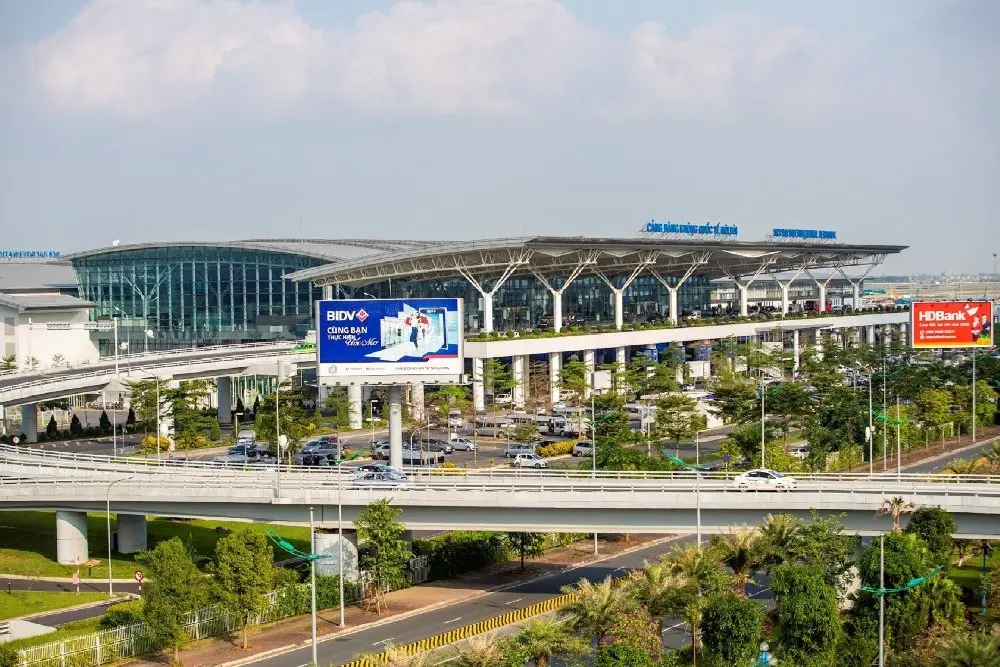
Noi Bai International Airport is the primary Vietnam international airport for the entire northern region, located approximately 28 kilometers from central Hanoi. It is the second busiest airport in the country and the main entry point for travelers heading to the capital, as well as popular northern destinations including Ha Long Bay and Sapa.
The airport’s modern Terminal 2, opened in 2014, handles all international flights and features an impressive glass-and-steel design. Inside, travelers will find a full range of amenities: duty-free shopping, multiple currency exchange counters, international restaurants, business lounges, and dedicated fast-track lanes for immigration.
- Best for: Hanoi, Ha Long Bay, Ninh Binh, Sapa, and Northern Vietnam
- Transportation: Airport taxis, Grab (Vietnam’s leading ride-hailing app), dedicated airport buses to the city center, and private transfer services.
- Travel tip: Allow extra time during peak travel periods, particularly around Tet (Vietnamese Lunar New Year), when passenger volumes surge significantly.
2. Tan Son Nhat International Airport (SGN) — Ho Chi Minh City
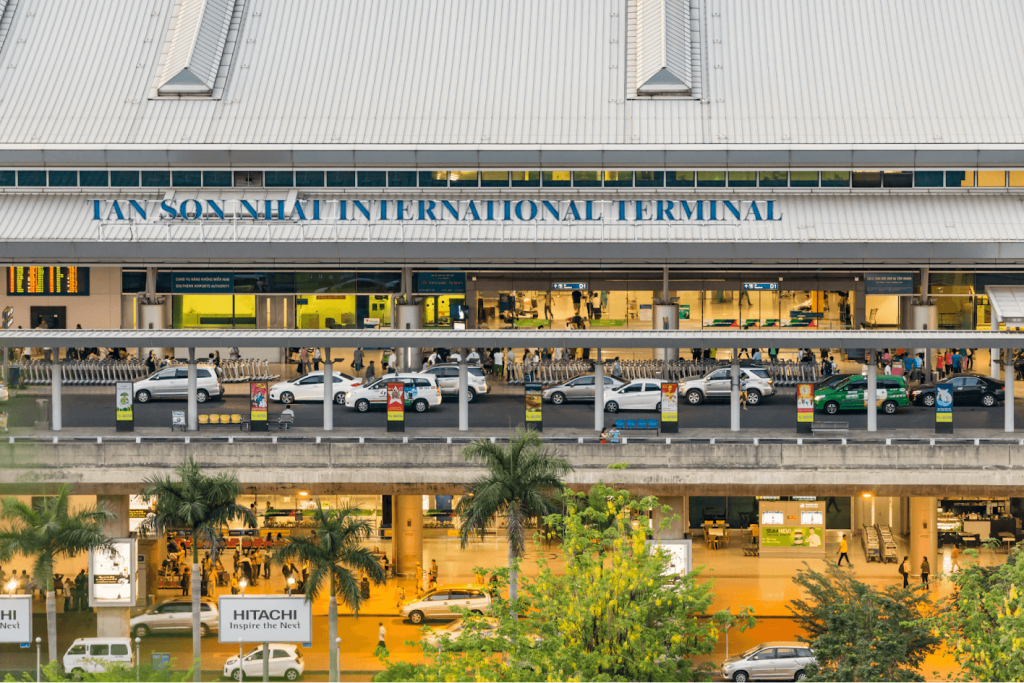
Tan Son Nhat International Airport is the busiest Vietnam international airport and one of the busiest airports in all of Southeast Asia. Situated within Ho Chi Minh City itself — just 7 kilometers from downtown District 1 — it is the beating heart of Vietnam’s aviation network.
The airport handles the majority of the country’s international passenger volume, with direct connections to cities across Asia, Europe, Australia, and the Middle East. Two terminals serve international and domestic travelers respectively, and ongoing expansion projects aim to alleviate congestion as passenger numbers grow.
Facilities include extensive dining options, luxury retail, business lounges, fast-track immigration services, and a wide range of currency exchange and banking services.
- Best for: Ho Chi Minh City, the Mekong Delta, and as a hub for onward connections throughout Southern Vietnam
- Transportation: Taxis, Grab, and private transfers are widely available. Note that traffic into central Ho Chi Minh City can be heavy, particularly during morning and evening rush hours.
- Travel tip: Book a reputable private transfer in advance if arriving late at night — airport taxis are metered, but traffic conditions vary considerably by time of day.
3. Da Nang International Airport (DAD) — Central Vietnam
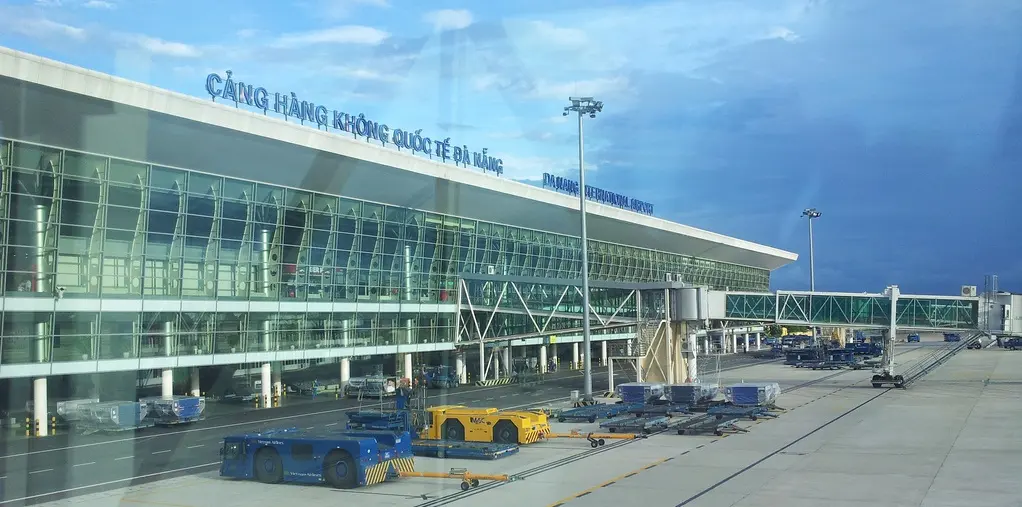
Da Nang International Airport is arguably the most conveniently located Vietnam international airport in the country. Situated just 3 kilometers from Da Nang’s city center, it is a quick, effortless transfer to your hotel — a rarity among major airports worldwide.
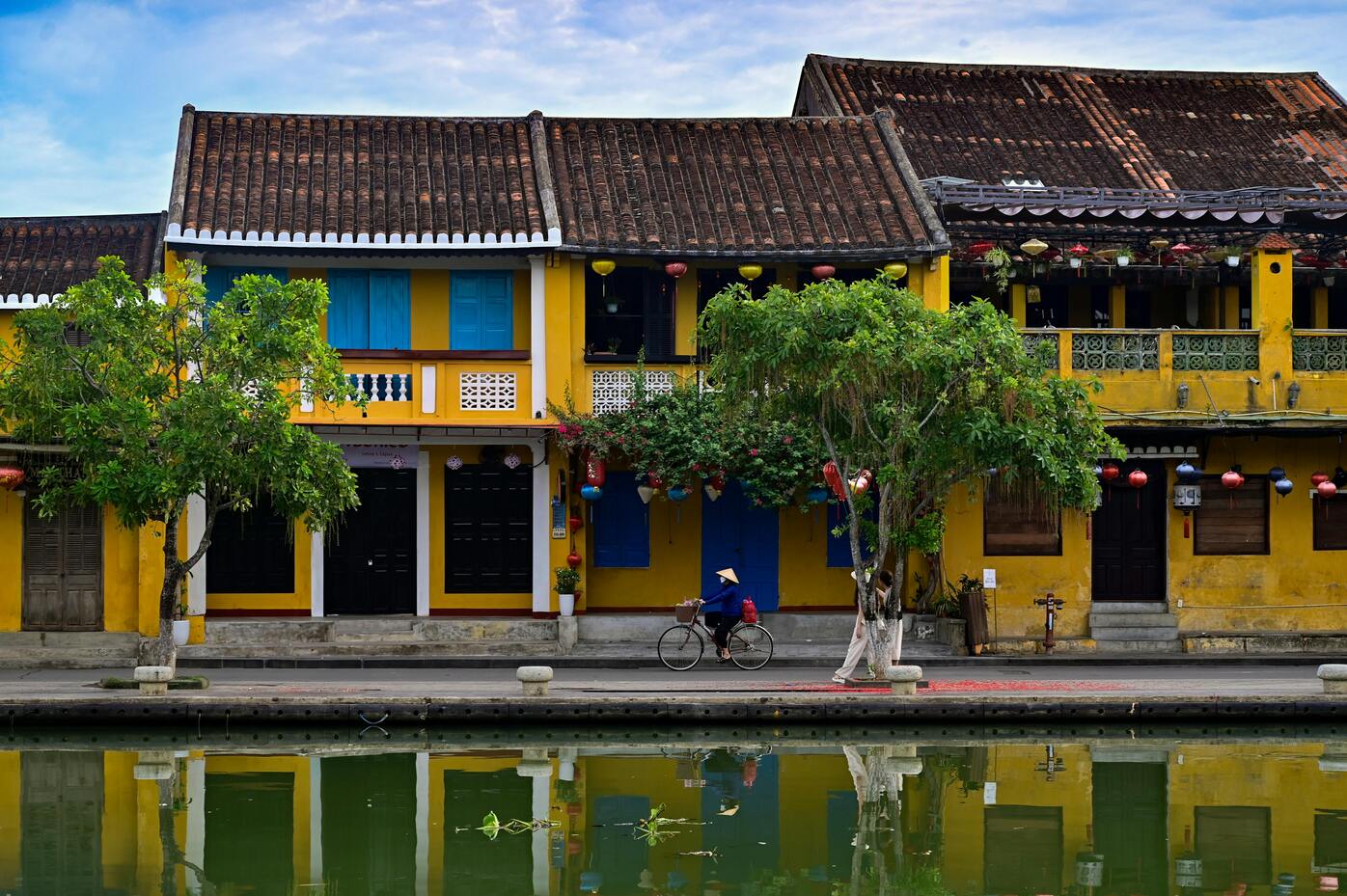
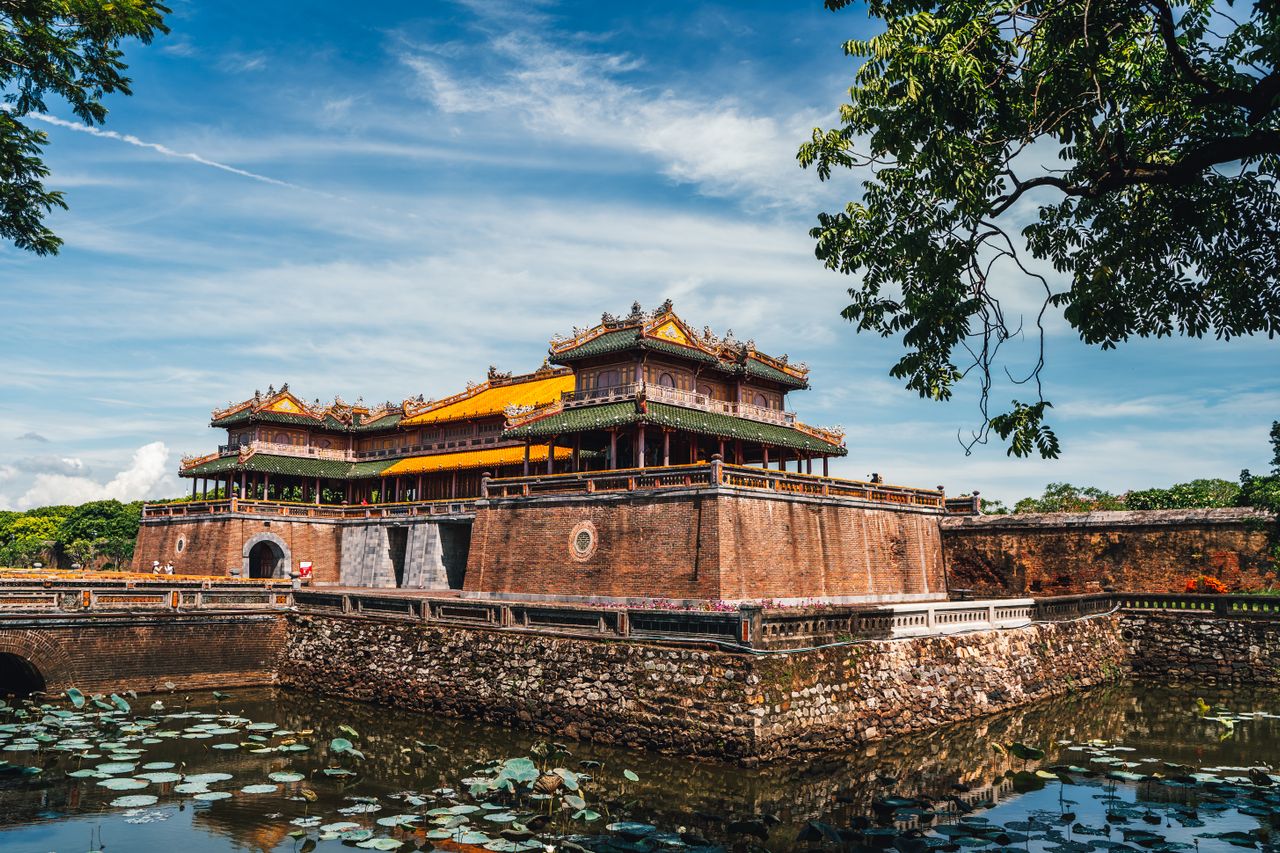
Da Nang has grown rapidly as an international gateway, driven by the popularity of the surrounding region. Hoi An, one of Southeast Asia’s best-preserved ancient trading ports, is less than 30 minutes away by car. Hue, the former imperial capital, is around 2.5 hours north. The airport itself has won recognition for its clean, modern terminal design and efficient immigration process.
Increasingly, airlines from across Asia — South Korea, Japan, China, Singapore, and beyond — offer direct routes to Da Nang, making it the go-to arrival point for central Vietnam.
- Best for: Da Nang, Hoi An, Hue, and the Central Coast
- Transportation: Taxis, Grab, and hotel transfers are all readily available just outside the terminal.
- Travel tip: Da Nang is one of Vietnam’s most liveable and tourist-friendly cities. Even if Hoi An is your final destination, consider spending at least one night in Da Nang itself.
4. Cam Ranh International Airport (CXR) — Nha Trang
Located about 35 kilometers south of Nha Trang, Cam Ranh International Airport serves Vietnam’s most beloved beach city and the surrounding coastal province of Khanh Hoa. It has experienced rapid growth in recent years, fueled largely by international charter flights serving package tourists and luxury resort guests.
The modern international terminal opened in 2018 and is well-equipped with retail outlets, dining facilities, and comfortable waiting areas. Direct international routes connect Cam Ranh to cities in South Korea, China, Russia, and several other markets.
- Best for: Nha Trang, Cam Ranh Bay, and the surrounding coastal resort areas
- Transportation: Hotel transfers are common for resort guests; taxis and Grab are available for independent travelers.
- Travel tip: Many luxury resorts in the area offer complimentary airport pickup — worth confirming with your accommodation before arrival.
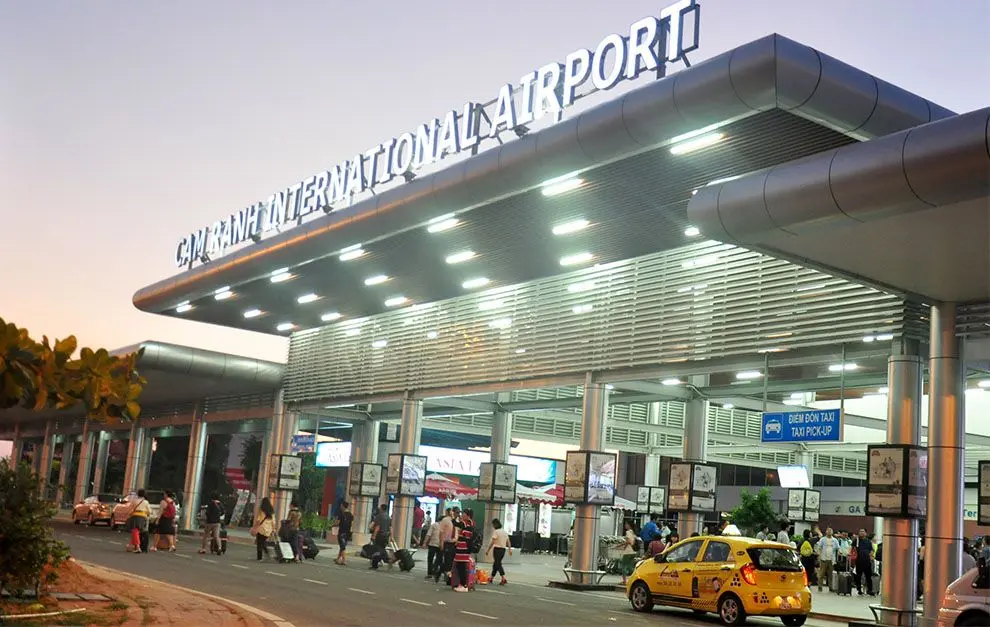
5. Phu Quoc International Airport (PQC) — Phu Quoc Island
Phu Quoc International Airport serves Vietnam’s largest island, which has transformed over the past decade from a quiet fishing retreat into a world-class luxury travel destination. The airport supports this growth with a modern terminal, an increasing number of direct international routes, and a notable perk: visa exemption for many international visitors arriving on the island.
The views on approach to Phu Quoc are spectacular — lush tropical hills meeting clear turquoise waters — and the airport experience is refreshingly relaxed compared to Vietnam’s mainland hubs.
- Best for: Island resort holidays, honeymooners, and travelers seeking beaches, wellness retreats, and nature
- Transportation: Hotel transfers dominate, though taxis and Grab are also available.
- Travel tip: Confirm visa exemption eligibility for your nationality before booking — the rules are specific to island arrivals and differ from mainland Vietnam requirements.
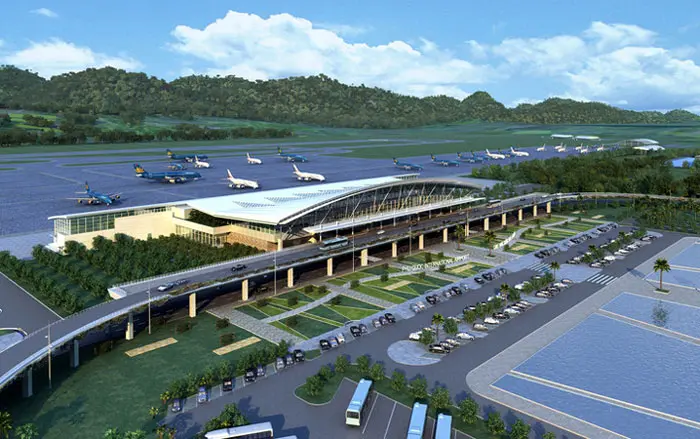
6. Cat Bi International Airport (HPH) — Hai Phong
Cat Bi International Airport serves Hai Phong, Vietnam’s third largest city and a major industrial port on the northern coast. While smaller than Noi Bai, it offers a useful alternative entry point for travelers heading to Ha Long Bay — and is considerably less congested.
International routes from Cat Bi are growing, with connections to several cities across Asia. For travelers whose primary destination is Ha Long Bay rather than Hanoi, flying into Cat Bi can save significant travel time.
- Best for: Ha Long Bay, Hai Phong city, and northern coastal areas
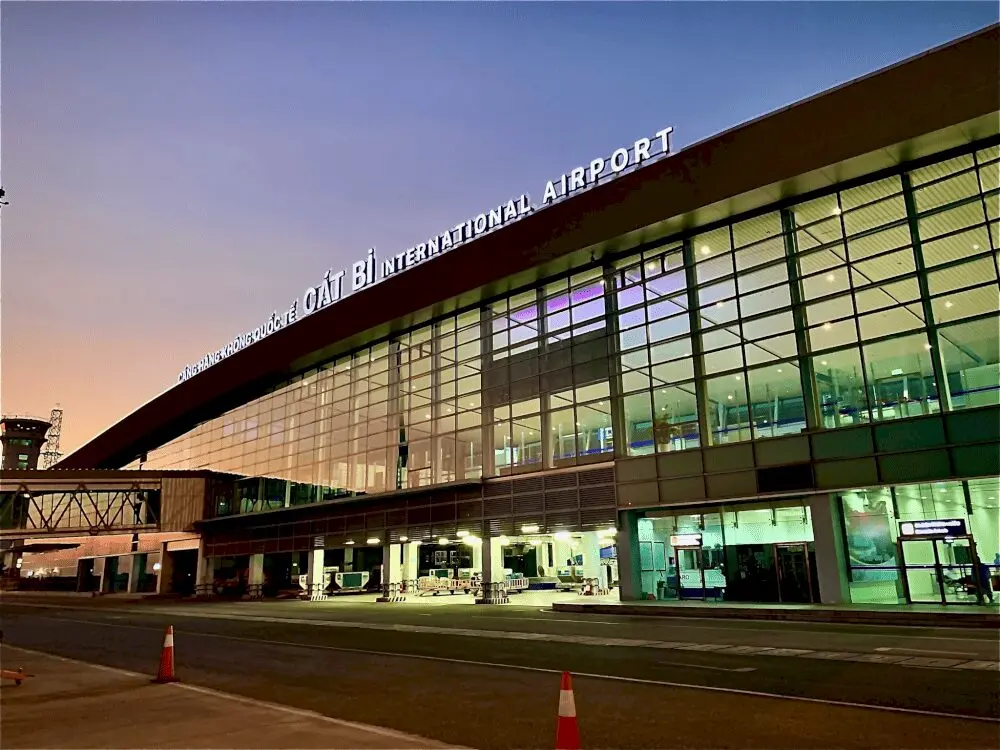
7. Van Don International Airport (VDO) — Quang Ninh
Opened in 2018, Van Don International Airport is one of the newest additions to the Vietnam international airport network. Located in Quang Ninh Province — the home of Ha Long Bay — it offers another convenient gateway for one of Vietnam’s most iconic destinations, with a striking modern terminal design and improving international connectivity.
- Best for: Ha Long Bay, Cat Ba Island, and Quang Ninh Province:
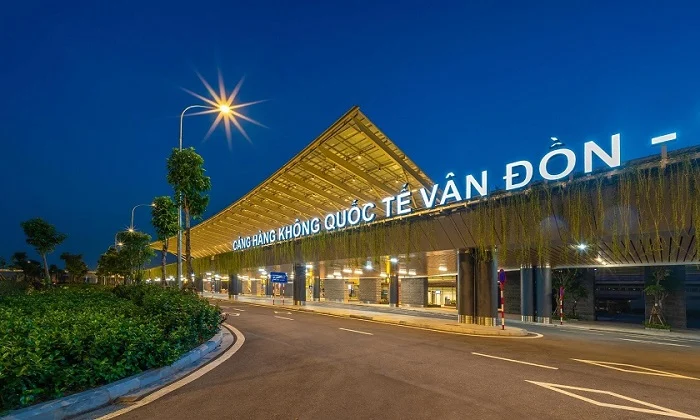
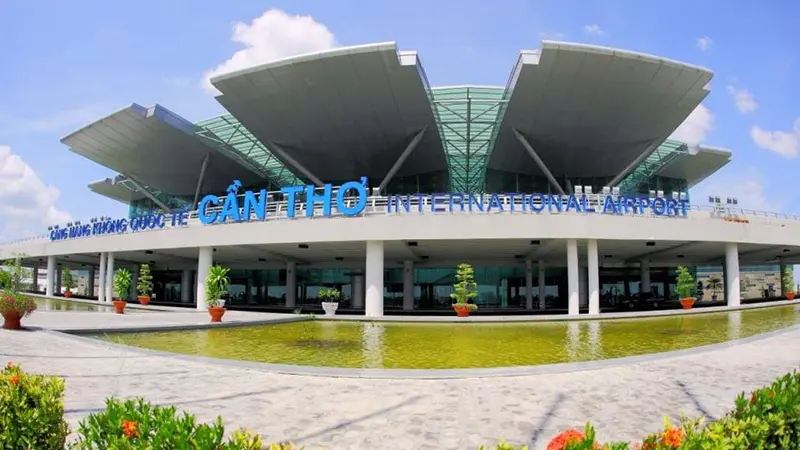
8. Can Tho International Airport (VCA) — Mekong Delta
Can Tho International Airport serves the Mekong Delta region in southern Vietnam — a vast landscape of rice paddies, floating markets, and river life that many visitors overlook in favor of the beaches and cities. The airport has limited but expanding international routes, and serves as a convenient base for exploring the Delta without the need to transit through Ho Chi Minh City.
- Best for: Mekong Delta exploration, river cruises, and southern rural Vietnam
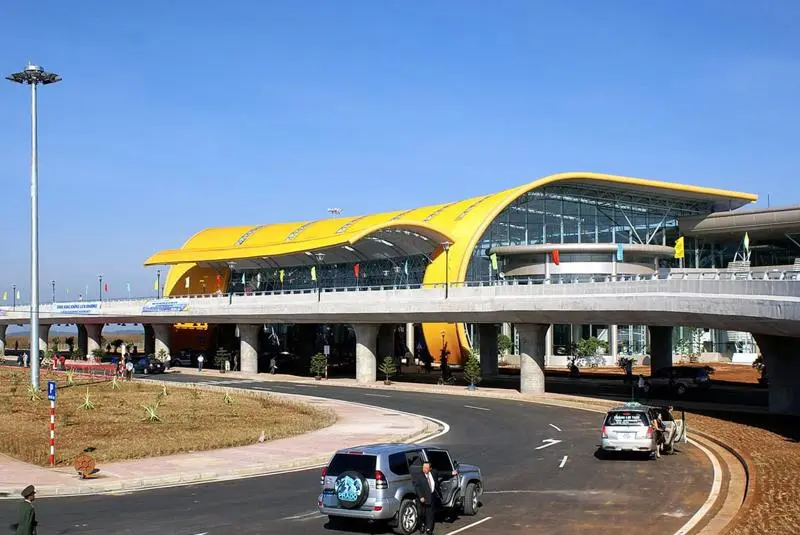
9. Lien Khuong International Airport (DLI) — Da Lat
Lien Khuong Airport provides access to Da Lat, Vietnam’s beloved mountain resort city in the Central Highlands. Known for its cool climate, French colonial architecture, flower farms, and coffee culture, Da Lat is a favorite destination for both Vietnamese and international travelers. International routes are currently limited but expanding.
- Best for: Da Lat city, the Central Highlands, and eco-tourism
III. How to Choose the Right Vietnam International Airport
Your choice of entry airport should be driven by your itinerary, not just available flights. Here’s a quick reference:
| Destination | Best Airport | IATA Code |
| Hanoi & Northern Vietnam | Noi Bai International | HAN |
| Ho Chi Minh City & South | Tan Son Nhat International | SGN |
| Central Coast & Hoi An | Da Nang International | DAD |
| Nha Trang & Beach Resorts | Cam Ranh International | CXR |
| Phu Quoc Island | Phu Quoc International | PQC |
| Ha Long Bay (via Hai Phong) | Cat Bi International | HPH |
| Ha Long Bay (direct) | Van Don International | VDO |
| Mekong Delta | Can Tho International | VCA |
| Da Lat & Central Highlands | Lien Khuong International | DLI |
IV. Essential Arrival Tips for Every Vietnam International Airport
Visas and Immigration
Vietnam offers e-visa services for citizens of over 80 countries, allowing a stay of up to 90 days. Apply online before departure at the official government portal to avoid queues on arrival. Visa-on-arrival is also available for many nationalities with pre-arranged approval letters, though this adds complexity. Phu Quoc Island maintains its own visa exemption scheme for island-only visits of up to 30 days.
Always check the current visa requirements for your nationality before booking flights, as policies can change.
Currency and Money
Vietnam’s currency is the Vietnamese Dong (VND). While all major Vietnam international airports have ATMs and currency exchange counters airside, rates at the airport are generally less favorable than those in the city. Exchange a small amount of cash for immediate needs — taxi fare, a coffee, tips — and convert larger sums once you’ve reached your destination.
Getting Into the City
Every major Vietnam international airport is served by a combination of metered taxis, Grab (book through the app for transparent pricing), hotel and resort transfers, and public airport bus services. For first-time visitors, a pre-booked private transfer offers the most stress-free experience, particularly after a long-haul flight.
Avoid unofficial taxi touts inside arrival halls — always use the official taxi ranks or Grab app.
Connectivity
SIM cards with generous data packages are available at kiosks just outside arrivals at all major airports and are very affordable by international standards. Vietnamese networks (Viettel, Mobifone, Vinaphone) offer strong coverage nationwide.
V. Conclusion
A Vietnam international airport is where your adventure begins — and with the right preparation, that first impression can be smooth, welcoming, and entirely stress-free. Whether you land in the northern highlands gateway of Noi Bai, the sun-drenched terminal of Phu Quoc, or the centrally positioned marvel of Da Nang, Vietnam’s airports are designed to ease your entry into one of the world’s most rewarding travel destinations.
From the moment you clear immigration and step into the warm Vietnamese air, a country of extraordinary depth — ancient cities, pristine coastlines, vibrant cuisine, and genuine hospitality — is yours to explore. The key is knowing which door to walk through first.
So what are you waiting for? Which international airport in Vietnam is the best fit for you? Are you planning a trip to Vietnam but don’t know where to start? Arivanda Travel is here to support you anytime, anywhere.
Contact Aravinda Travel to begin your journey:
- Website: aravindatravel.com
- Facebook: Aravinda Travel – Loyal DMC in South East Asia
- Email: info@aravindatravel.com
- 24/7 Hotline: +84 989 383 572